
*find your roots
1 {Build A Family Tree}
The information you can find using a tree-mapping service will be your best friend! Marriage licenses, death certificates, census records, land grants, wills + probates, obituaries, draft cards, birth records, etc. are super helpful for finding layers of information about the lives of your ancestors (anything from age, physical appearance descriptions, occupations, etc.) Sites like Ancestry and FamilySearch also offer “hints” to links of potential documents that might match your ancestors, but always double check to make sure they apply to your specific family members…
2 {Consider Testing Your DNA}
DNA tests are used to guide research.... Based on test sample data sets specific to each brand of DNA test, some ethnicities are underrepresented based on the sample pool. Genealogical DNA discourse discusses this further…Additionally, there are services that offer highly accurate and detailed results —BUT DO YOUR OWN RESEARCH to help guide your purchasing. There are many things to consider.
3 {Fill in the blanks}
Ask the elders in your family! One of the best ways to learn more about your family history is talking to your great aunties and uncles, grandparents, and even your own parents to find out more about your family history. A simple conversation can give you context clues for confirming key details in your family tree.
{suggested resources}
“The Trans-Atlantic Slave Trade Database now comprises 36,000 individual slaving expeditions between 1514 and 1866.” | https://www.slavevoyages.org/
The digitized records from the Freedman’s Bureau —which was the refugee recovery organization for newly freed slaves that includes searchable marriage records, banking records, land grants, etc. | https://www.freedmensbureau.com/
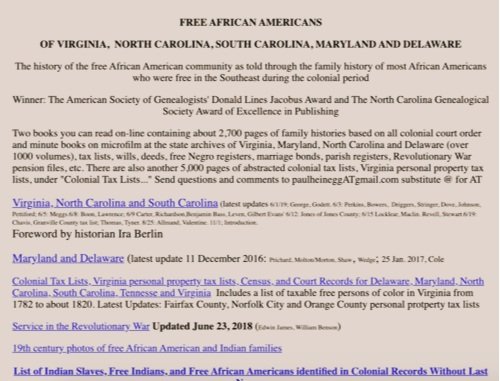
“Two books you can read on-line containing about 2,700 pages of family histories based on all colonial court order and minute books on microfilm at the state archives of Virginia, Maryland, North Carolina and Delaware (over 1000 volumes)” | https://freeafricanamericans.com/

Find A Grave —awesome online database featuring images of headstones and death records for ancestors. Super helpful because headstones often list information like dates, spouses, etc. to help guide research or confirm other sources. | https://www.findagrave.com/
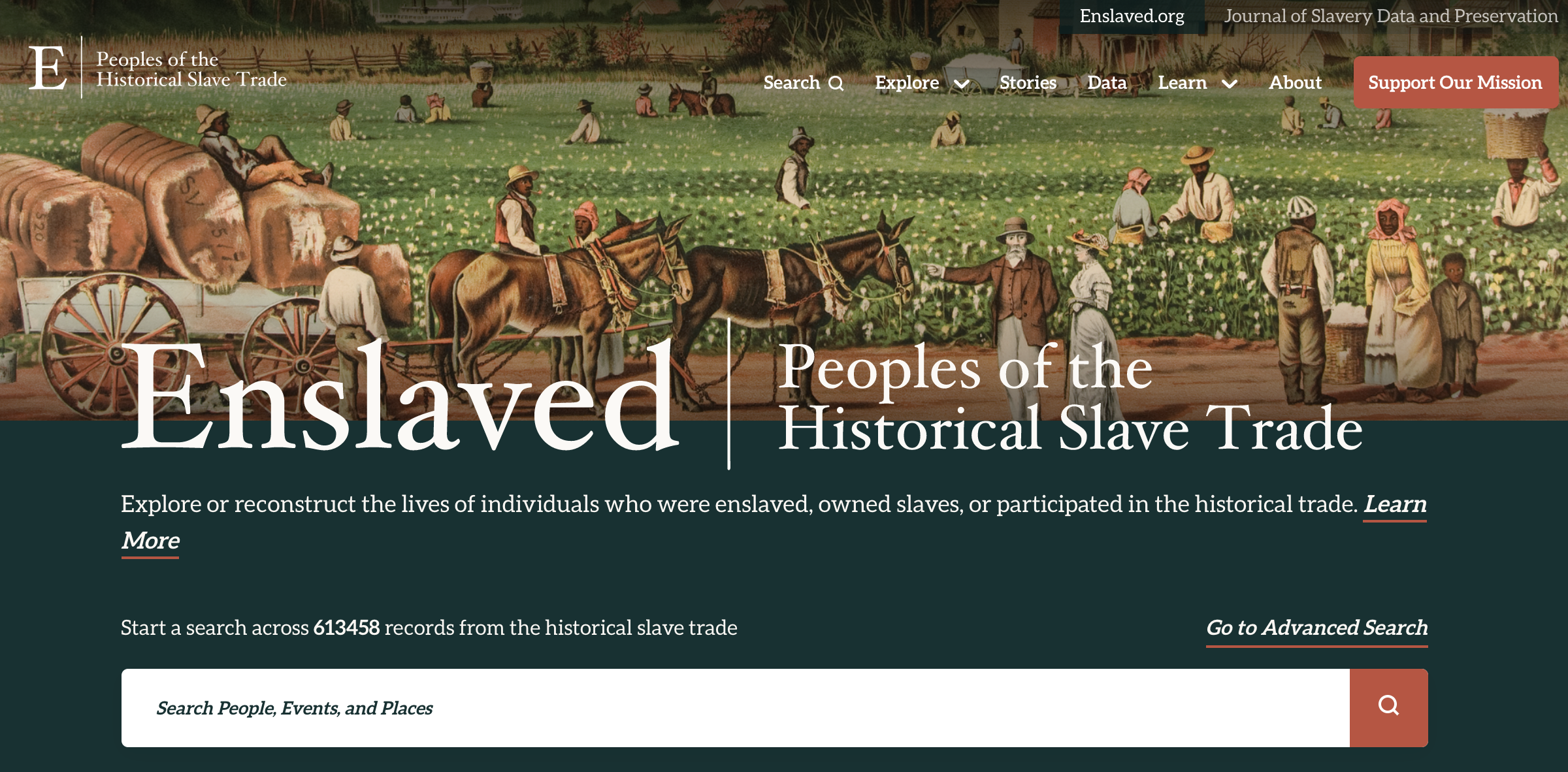
A new database featuring “613458 records from the historical slave trade” | https://enslaved.org/
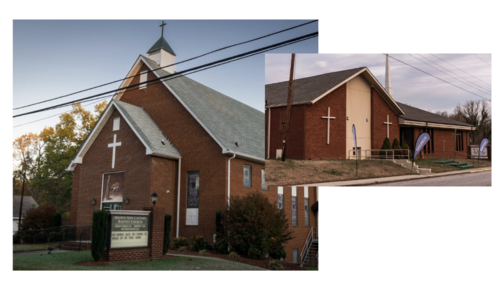
OLD SCHOOL Black churches generally keep great record of the history of their communities. Tap into your local church archives to potentially find ancestral records.
The National Archives has a dedicated research guide for navigating African American historical records. | https://www.archives.gov/research/african-americans

The National Archives has a dedicated research guide for navigating African American historical records. | https://newspaperarchive.com/
Check with your local historical society. They might have contextual information to help with your personal research. | https://www.preservationdirectory.com/directory/
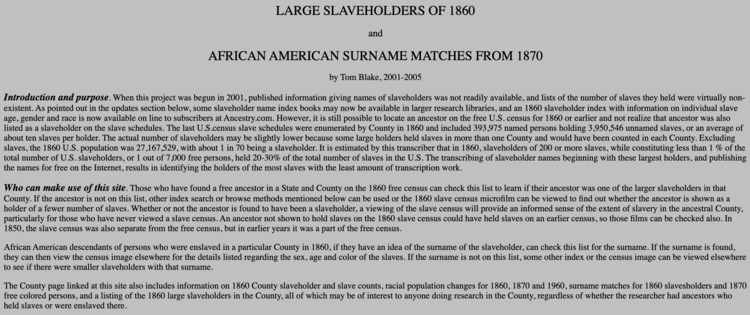
A 2001 database project with information on slave-holding surnames that matched newly freed formerly enslaved names on the first U.S Census they would’ve appeared in as free people…*great for matching Black ancestors that disappear from records before 1860/1870/1880. | https://freepages.rootsweb.com/~ajac/genealogy/
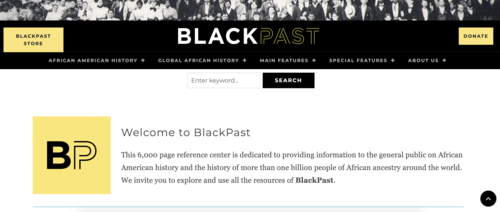
BlackPast —Great resource for historical context and information on piecing together the lives of enslaved ancestors and general history. | https://blackpast.org/
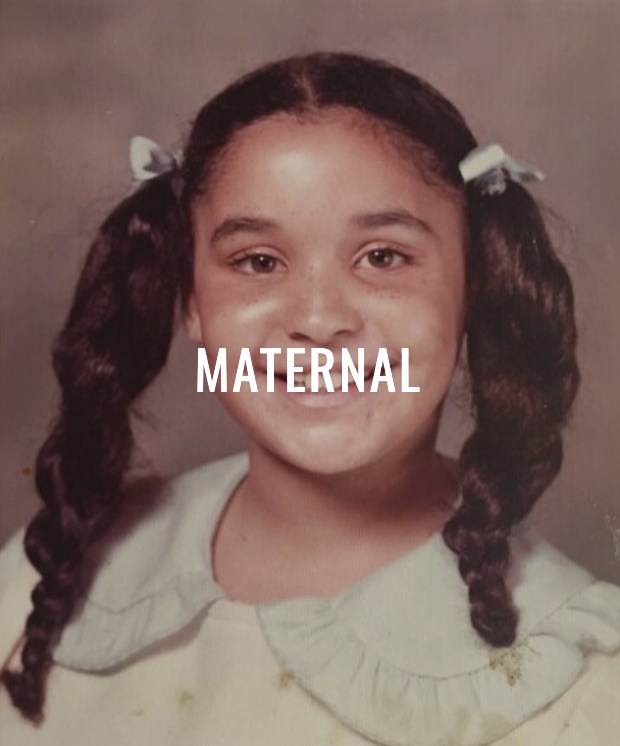
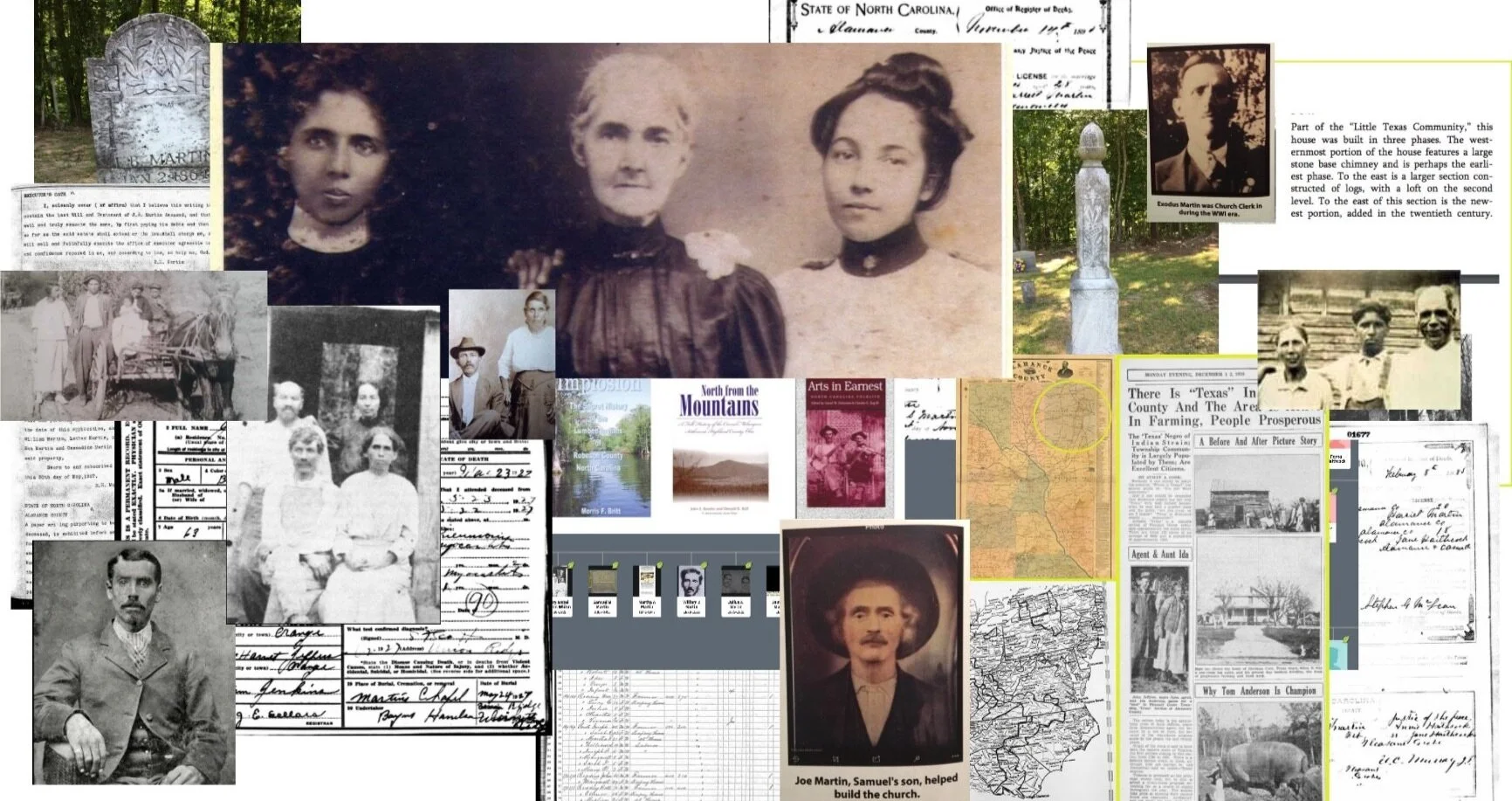
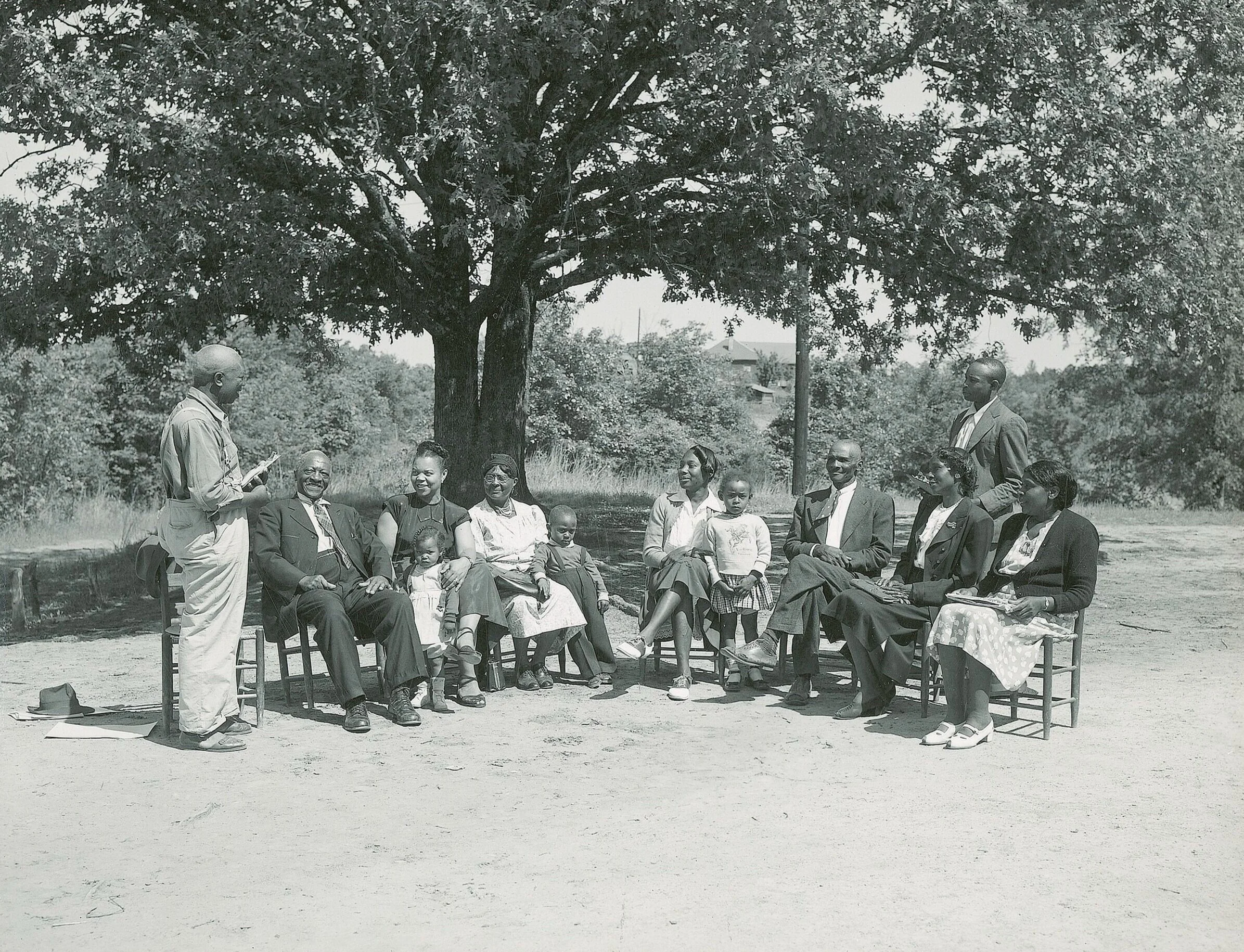
>> Several years ago, I started researching my maternal ancestry with very little details. I ended up finding a wealth of information about their lives, including a 6th great grandfather who served in the American Revolutionary War.
My mother is Black American and Occaneechi Band of the Saponi Nation (OBSN.org); a state-recognized indigenous community in North Carolina once known as Little Texas, during the 1800s/ early 1900s. Their story of agricultural success and rich cultural history is featured in several textbooks, local newspaper articles from that era, and preserved by the local library and historical society.
*My ancestors and records about their lives are featured in the background of this text.
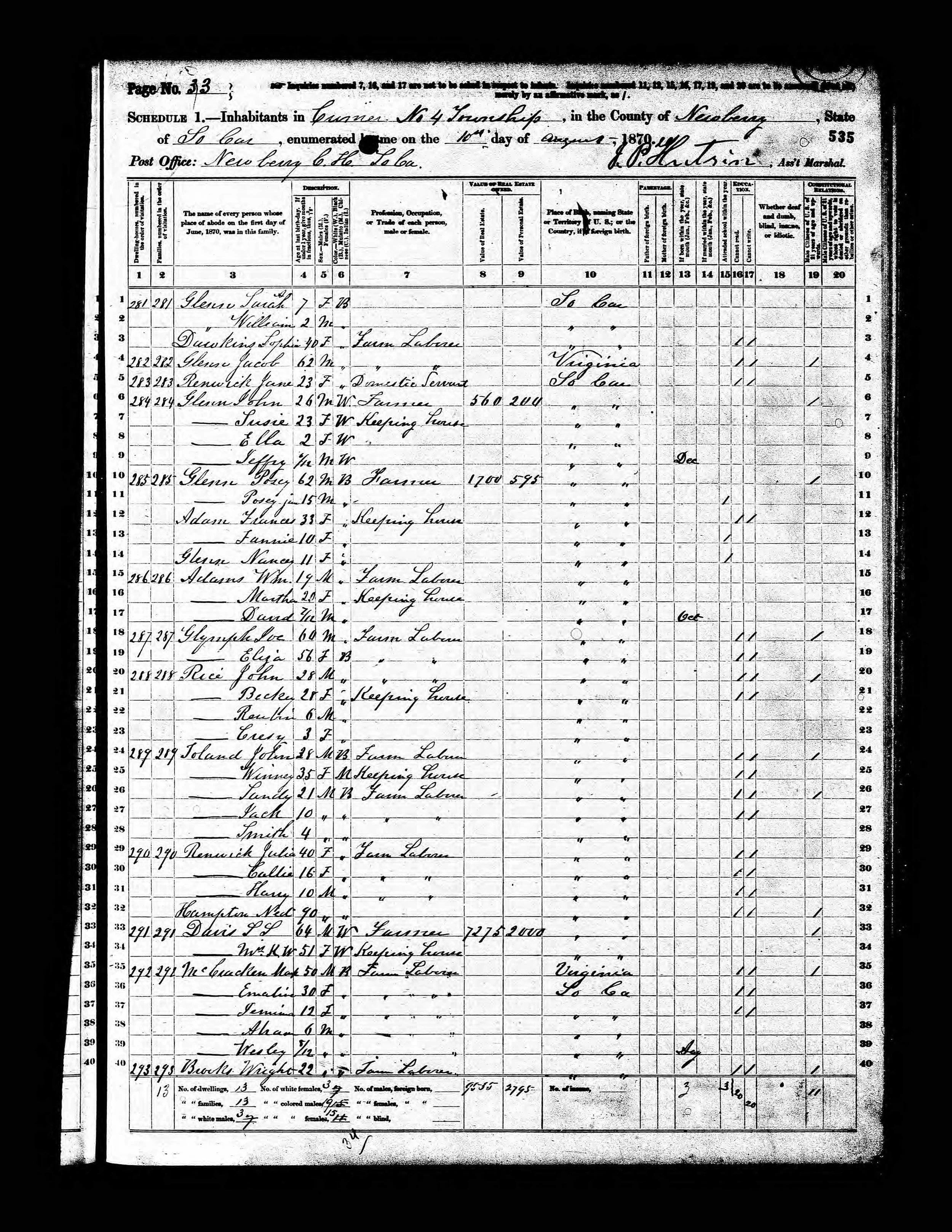
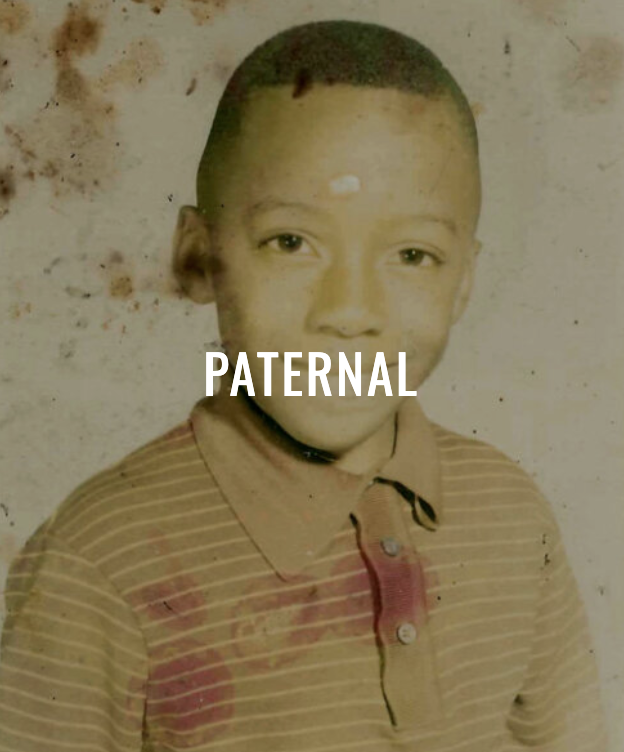
In stark contrast, my paternal ancestors were enslaved on plantations in South Carolina. After emancipation, my great great great great grandparents worked as a sharecroppers, and I found a handwritten agreement that outlined conditions that resembled enslavement. The next generation migrated up to the piedmont of North Carolina, where my great grandfather built the family home, which still stands today. There, he worked as a watchman for a leading textile mill, and the WPA (Works Progress Administration). He also helped found two churches, one of which I grew up visiting during my childhood summers, without the slightest idea of its historical significance in my own lineage.
@EmalineandThem was created in honor of my paternal ancestors; specifically named after my great great great great grandmother, Emaline.
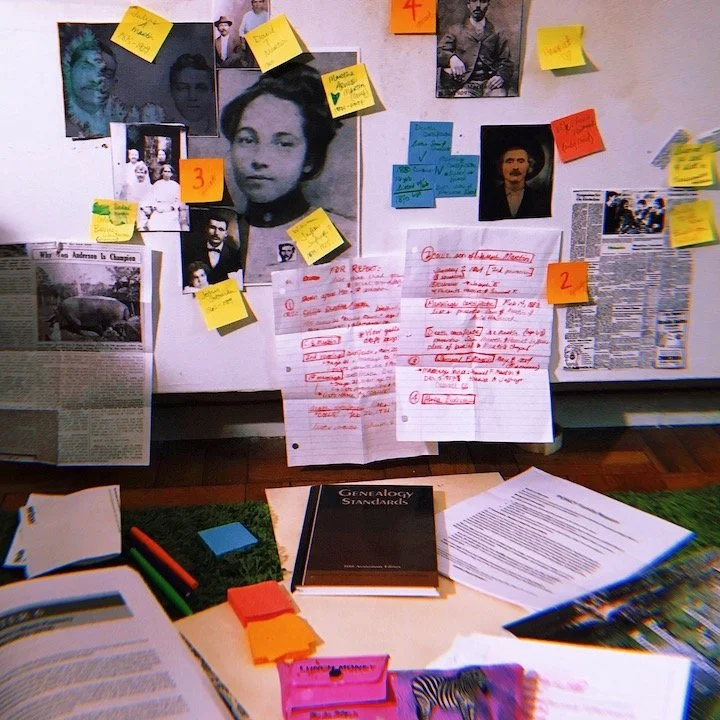
“when you uncover the history of your own ancestry, no one can tell you who you’re supposed to be.
In finding your ancestors, you find your self.”
—Kimberly Annece Henderson.
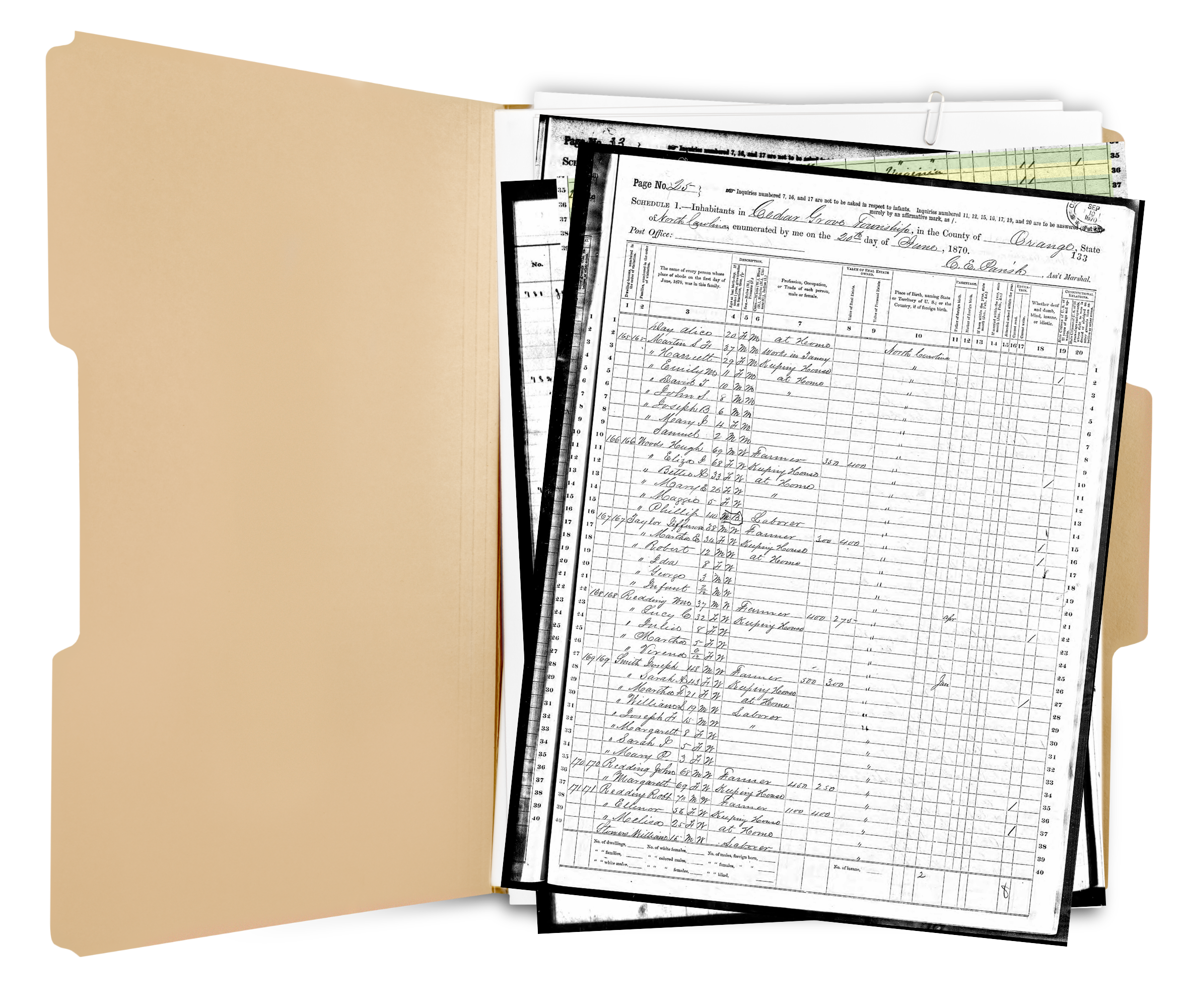
*Are you ready to find your ancestors? ⇩
+10 years of genealogy research experience; particularly navigating challenges with Black American ancestors who were enslaved. Inquire about professional genealogy services: emalineandthem@gmail.com